Where the land runs on forever. Experience the raw power of the Great Migration and the silence of the African dawn.
The Serengeti is not merely a park; it is a living, breathing ecosystem that defies imagination. As a UNESCO World Heritage Site and one of the Seven Natural Wonders of Africa, it hosts the largest terrestrial mammal migration in the world. Its name, derived from the Maasai word 'Siringet', perfectly captures the essence of these "endless plains" that stretch to the horizon, teeming with life, drama, and untouched beauty.
Lions, Leopards, Elephants, Rhinos, Buffalo.
A globally protected ecosystem.
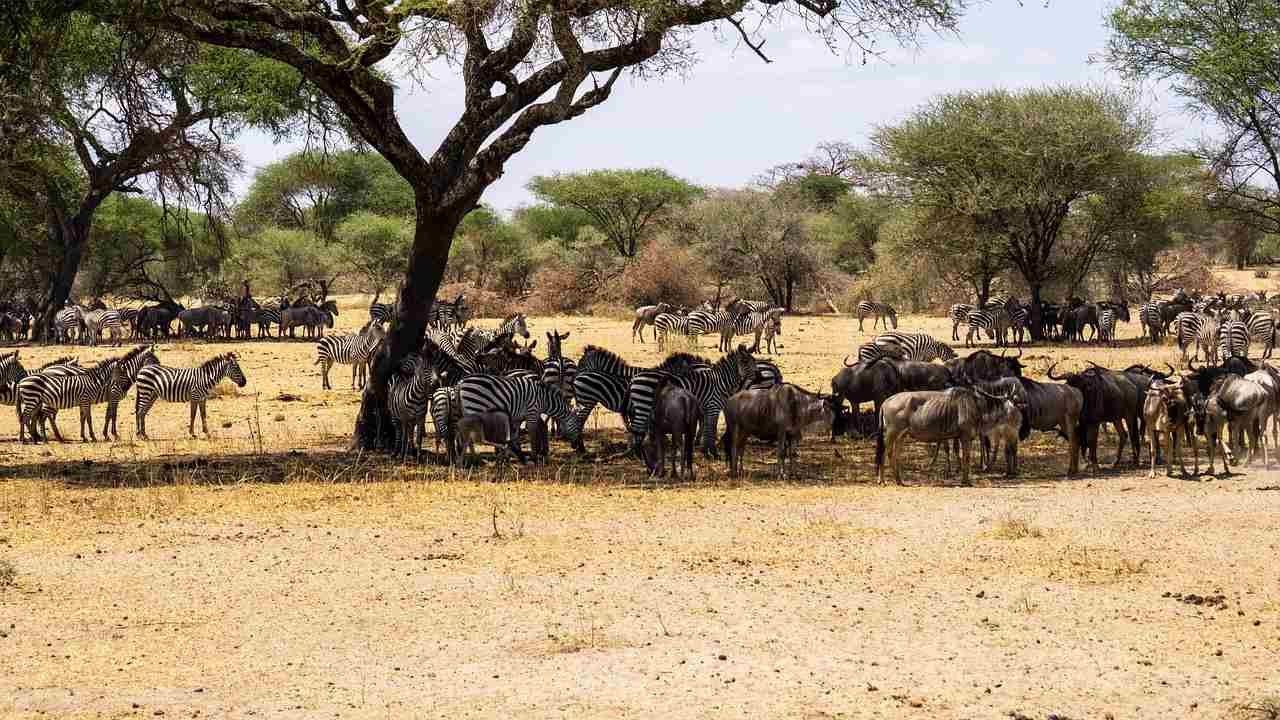
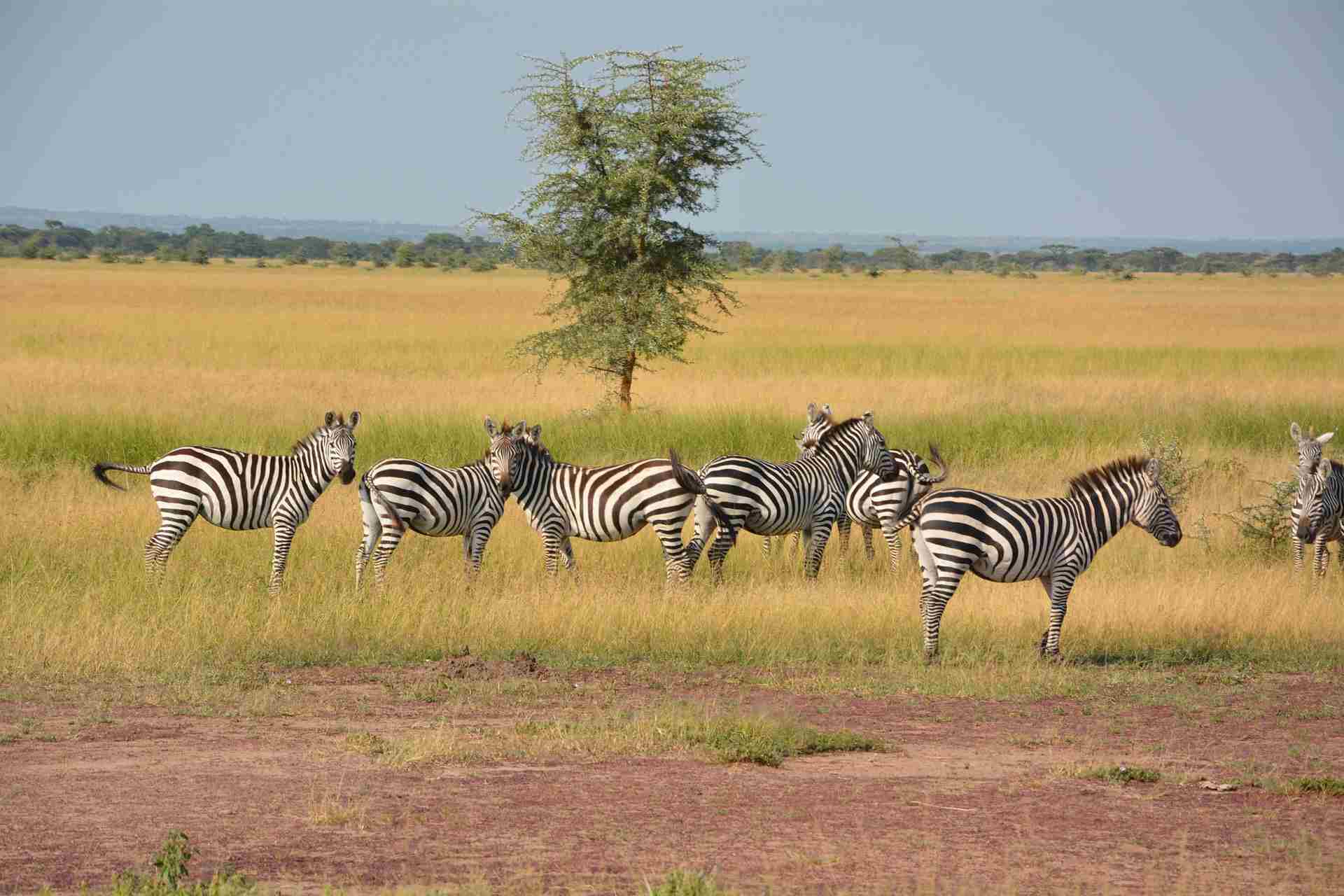
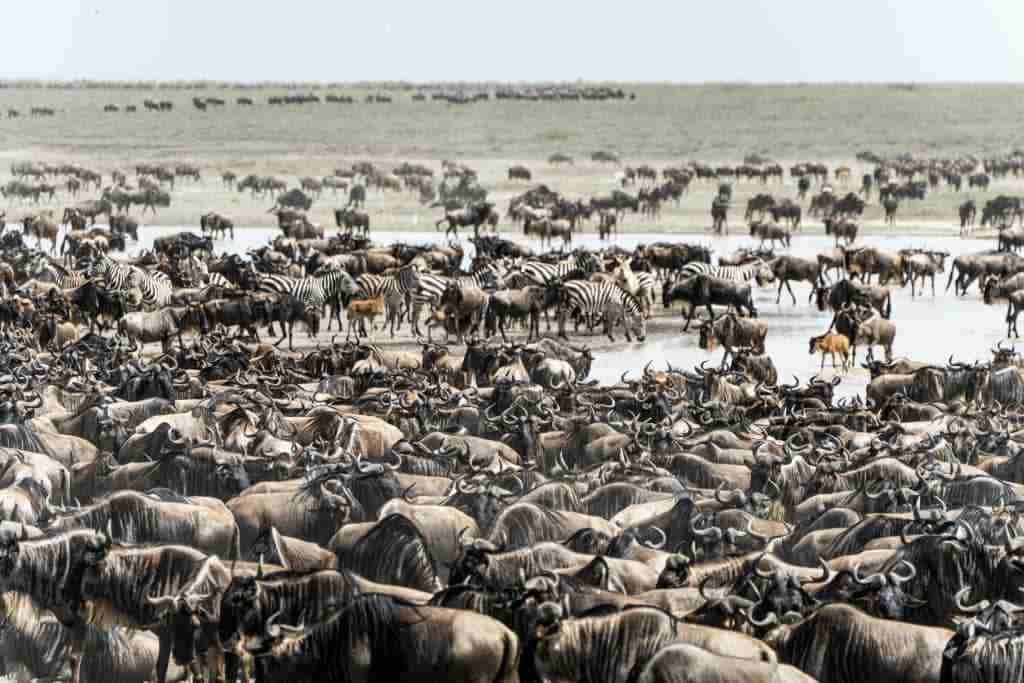
It is not a single event, but a relentless, year-round circular odyssey of survival. Over 1.5 million wildebeest, flanked by 250,000 zebras, chase the rains in a thunderous loop. Being in the right place at the right time is the key to witnessing this spectacle.
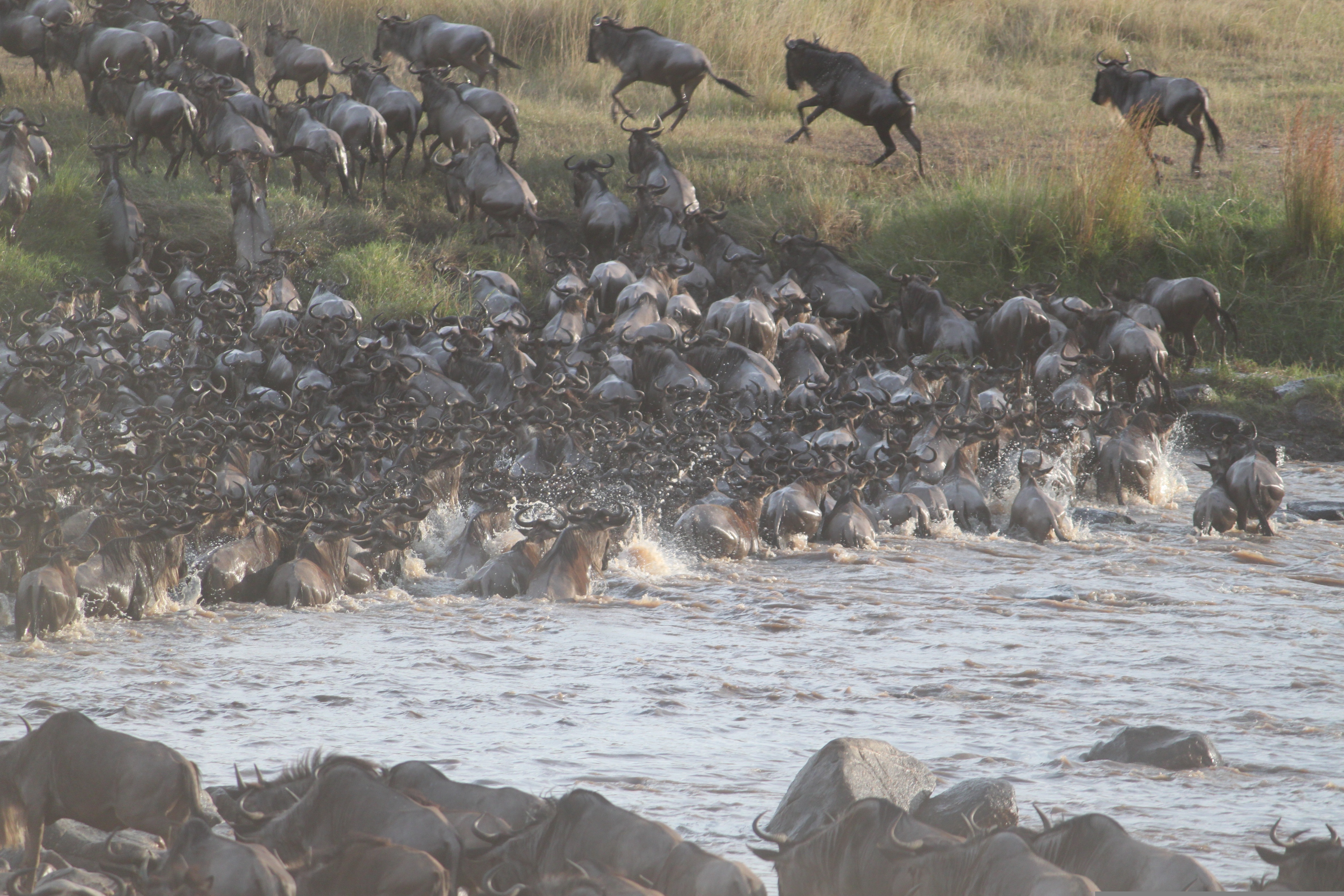
Experience the sounds and drama of the Mara River crossing.
Southern Serengeti & Ndutu
The herds congregate on the nutrient-rich, short-grass plains of the South. This is the theater of new life, where nearly 8,000 calves are born daily in February. This sudden abundance of vulnerable prey attracts Africa’s highest concentration of predators. You will witness cheetahs teaching cubs to hunt, lions stalking in broad daylight, and the dramatic survival of the fittest.
Pro Tip: The only time herds are stationary. A photographer's dream for predator action.
Western Corridor
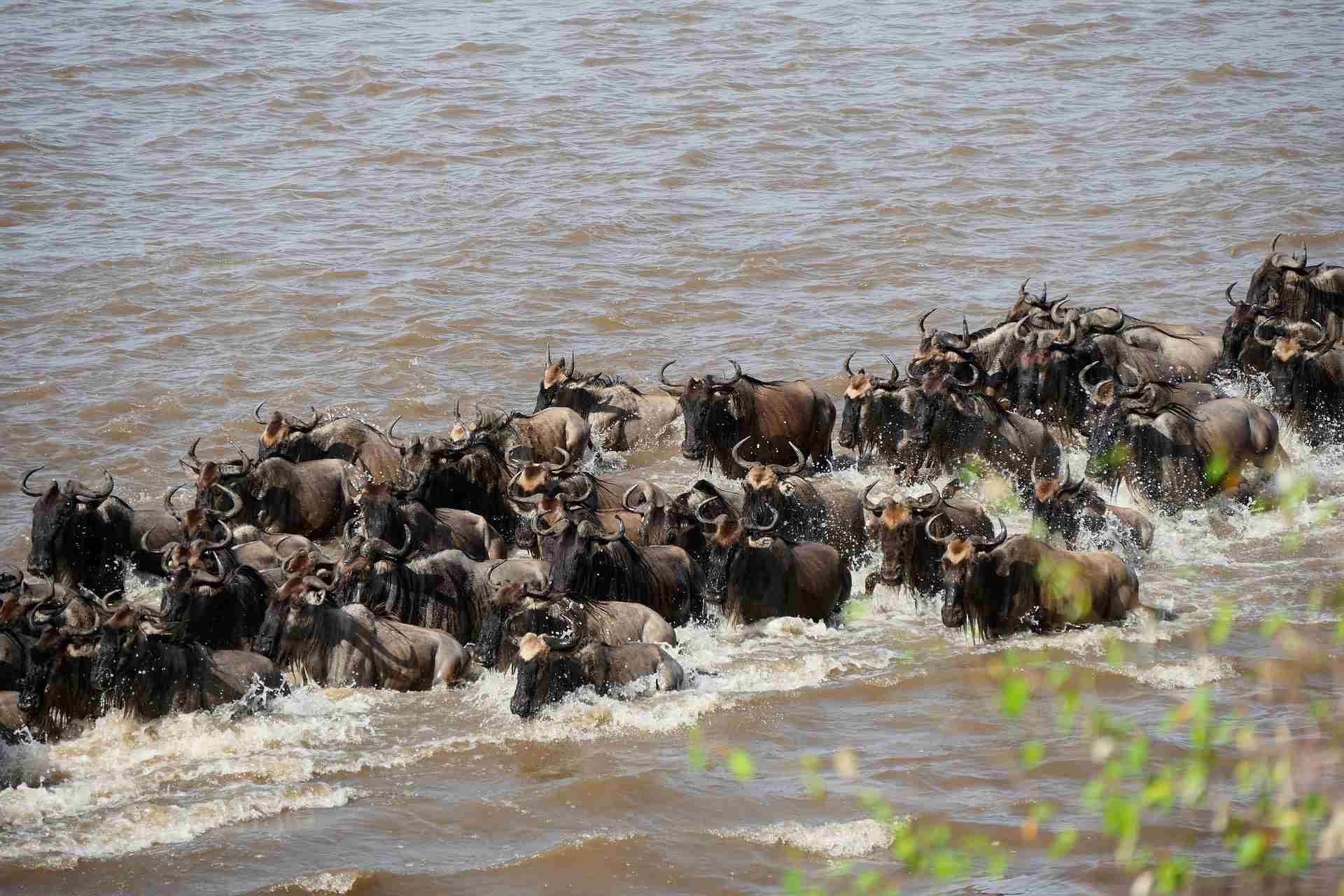
As the southern plains dry, the "Long Rains" trigger the march North. This period is "The Rut" (breeding season), filled with testosterone-fueled battles between males. The columns of animals stretch for 40km, creating a noisy, dusty spectacle. By June, they face their first deadly test: the Grumeti River, where massive Nile crocodiles lie in wait for the thirsty herds.
Pro Tip: "Green Season" offers lower rates, lush scenery, and fewer tourists.
Northern Serengeti (Kogatende)
The dramatic climax. The herds arrive at the Mara River, the border between Tanzania and Kenya. Driven by instinct and panic, thousands plunge into the crocodile-infested waters in a chaotic fight for survival. The riverbanks are steep, the currents strong, and the crocodiles hungry. It is an emotional, noisy, and unforgettable display of nature's raw power.
Pro Tip: High Season. Book 6-12 months early. Kogatende is the place to be.
Eastern Serengeti
Sensing the "Short Rains" in the south, the herds begin the journey back from the Mara. They move through the Eastern Serengeti and Loliondo, crossing the landscapes that are turning a vibrant, lush green. The storm clouds form dramatic backdrops, making this the most photogenic time of year. Migratory birds arrive, filling the air with song and color.
Pro Tip: Excellent game viewing in Central Serengeti. Pleasant weather and fewer crowds.
Enhance your safari with immersive experiences that take you closer to the nature and culture of the Serengeti.
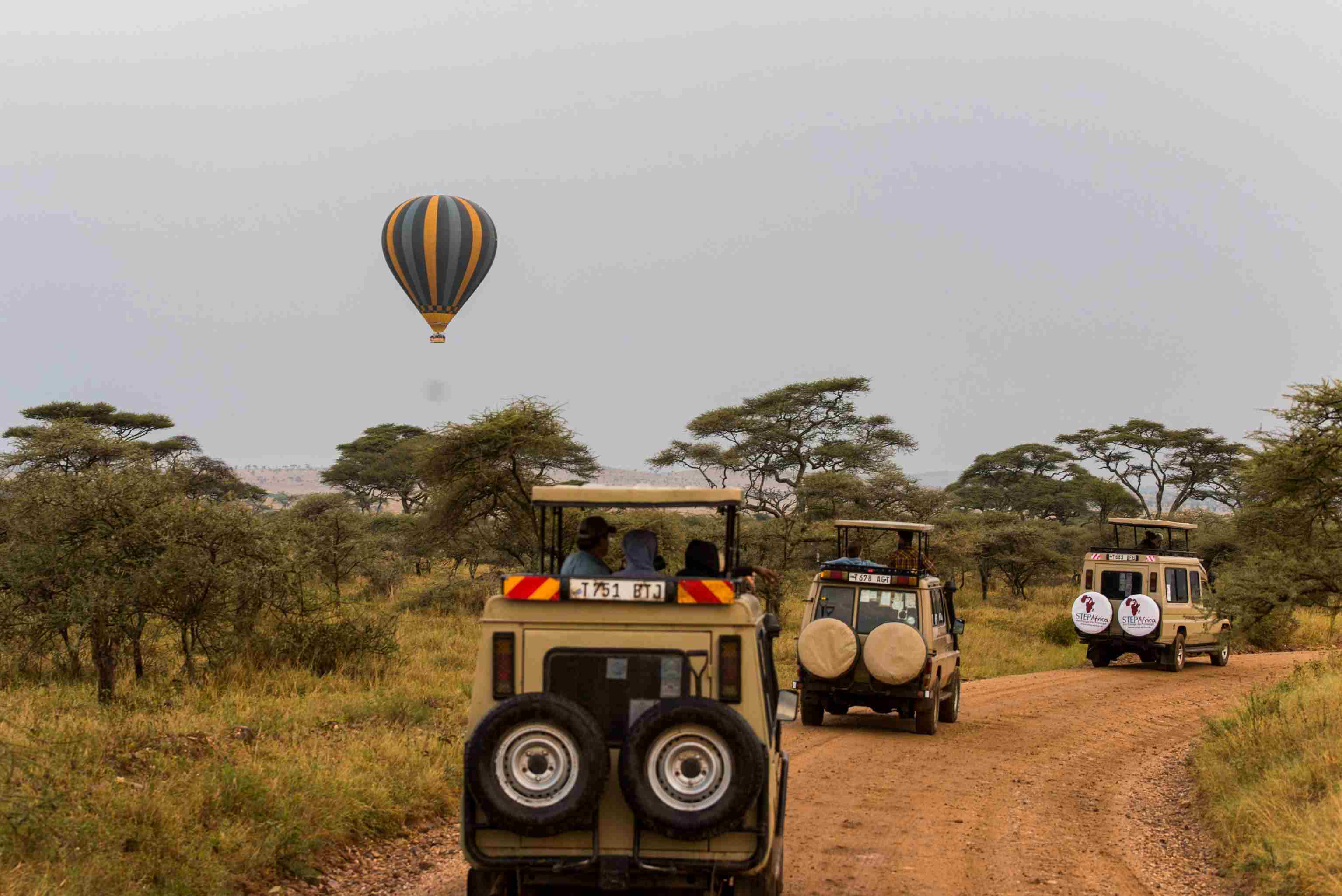
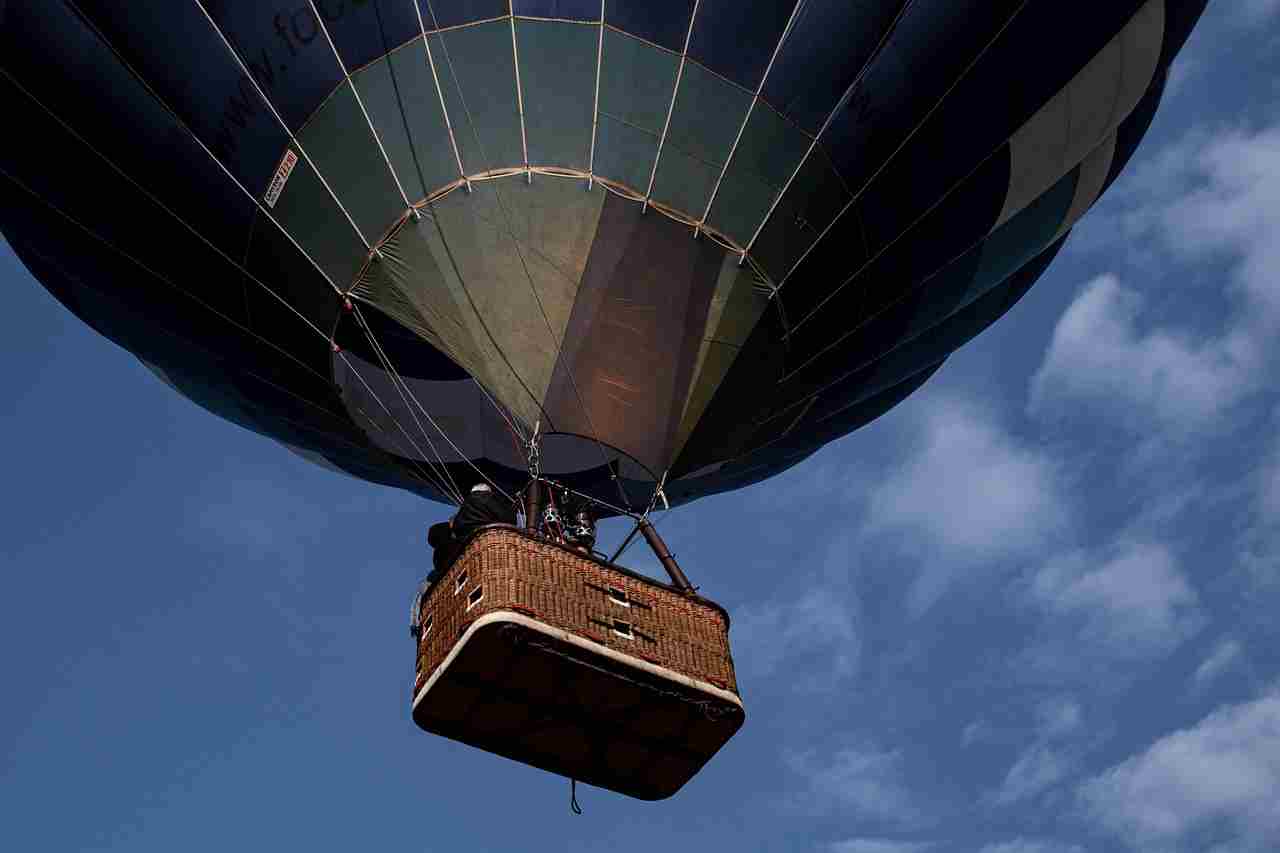
Float silently above the endless plains as the sun rises, witnessing the awakening herds below. Conclude with a luxurious champagne breakfast in the bush.
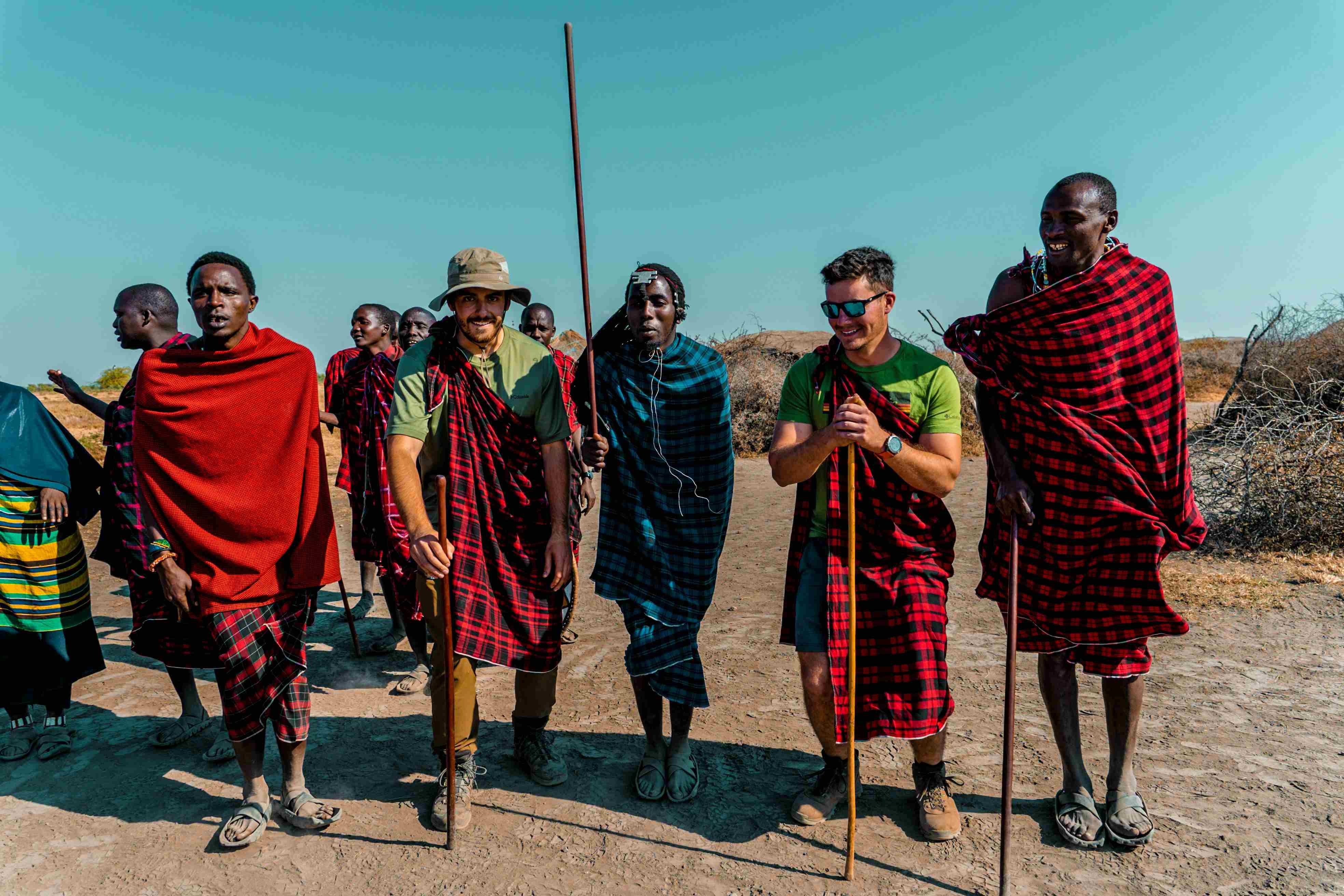
Immerse yourself in authentic traditions. Visit a local Boma, learn about their ancient customs, witness traditional dances, and see how they coexist with wildlife.
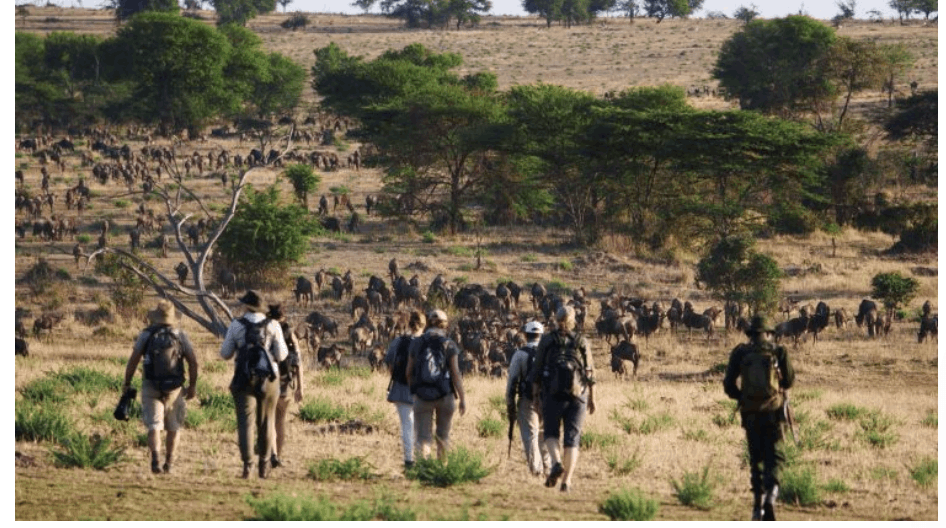
Step out of the vehicle and connect with the soil. Led by armed and experienced guides, explore the smaller details—tracks, plants, and insects—missed by car.
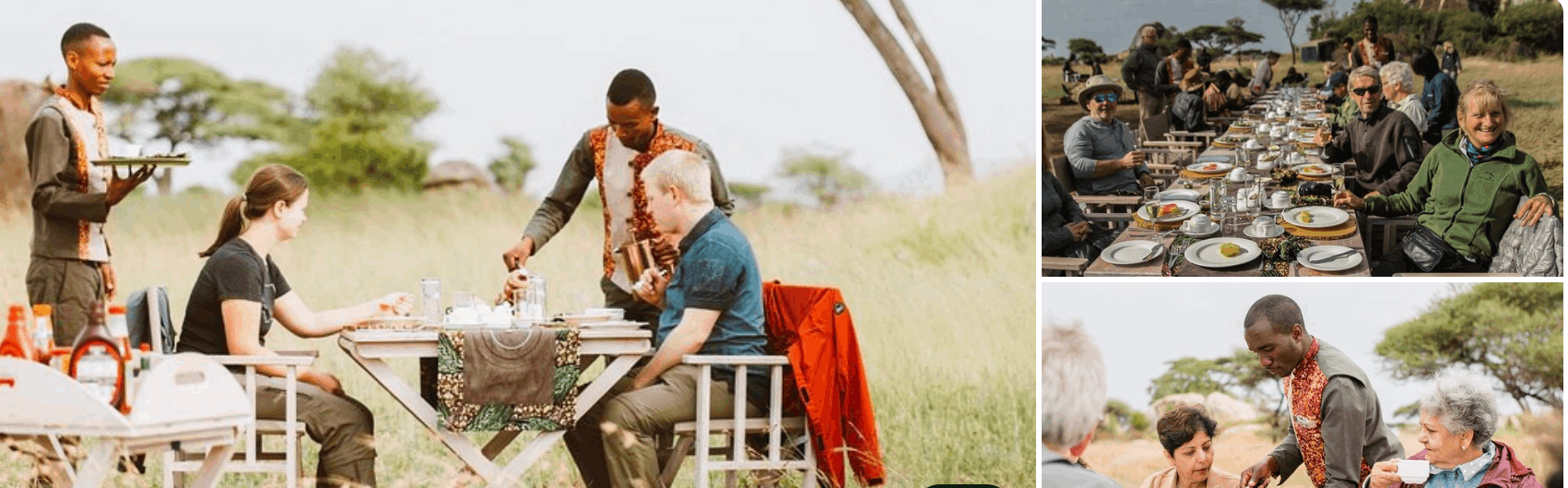
The quintessential end to a safari. Enjoy cocktails as the sun sets over the savannah, followed by a private, romantic dinner under a canopy of stars.
In Serengeti, you don't just "sleep"; you immerse yourself in the African night. Whether you want the thrill of a thin canvas between you and a lion, or 5-star luxury.
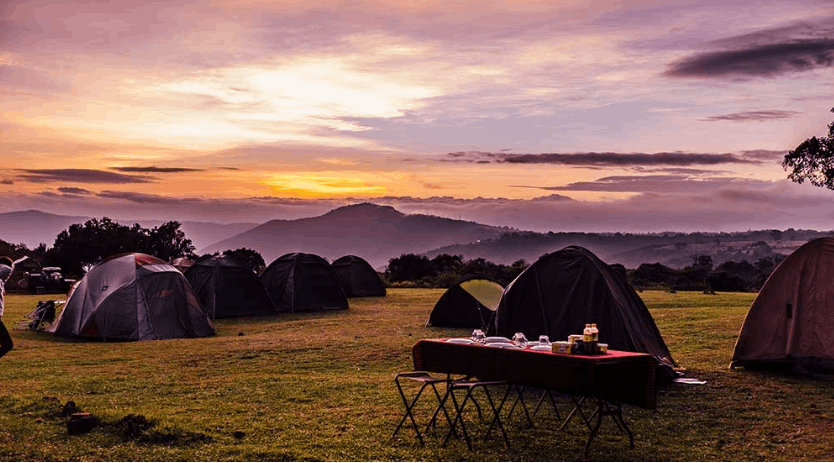
Perfect for adventurers. Sleep in high-quality dome tents at designated public sites. Includes a private chef.
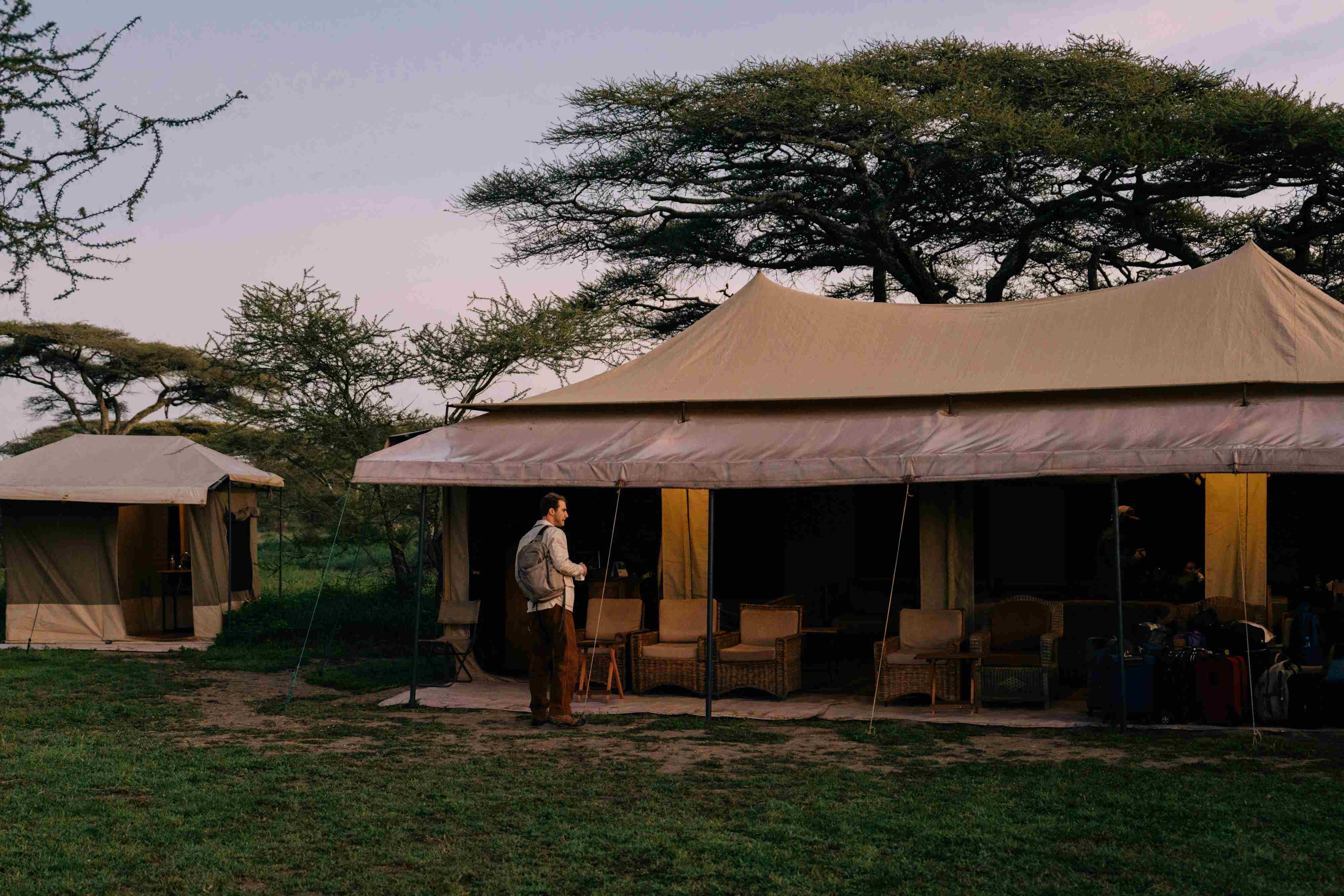
The classic 'Out of Africa' feel. Walk-in canvas tents with wooden floors, real beds, and en-suite bathrooms.
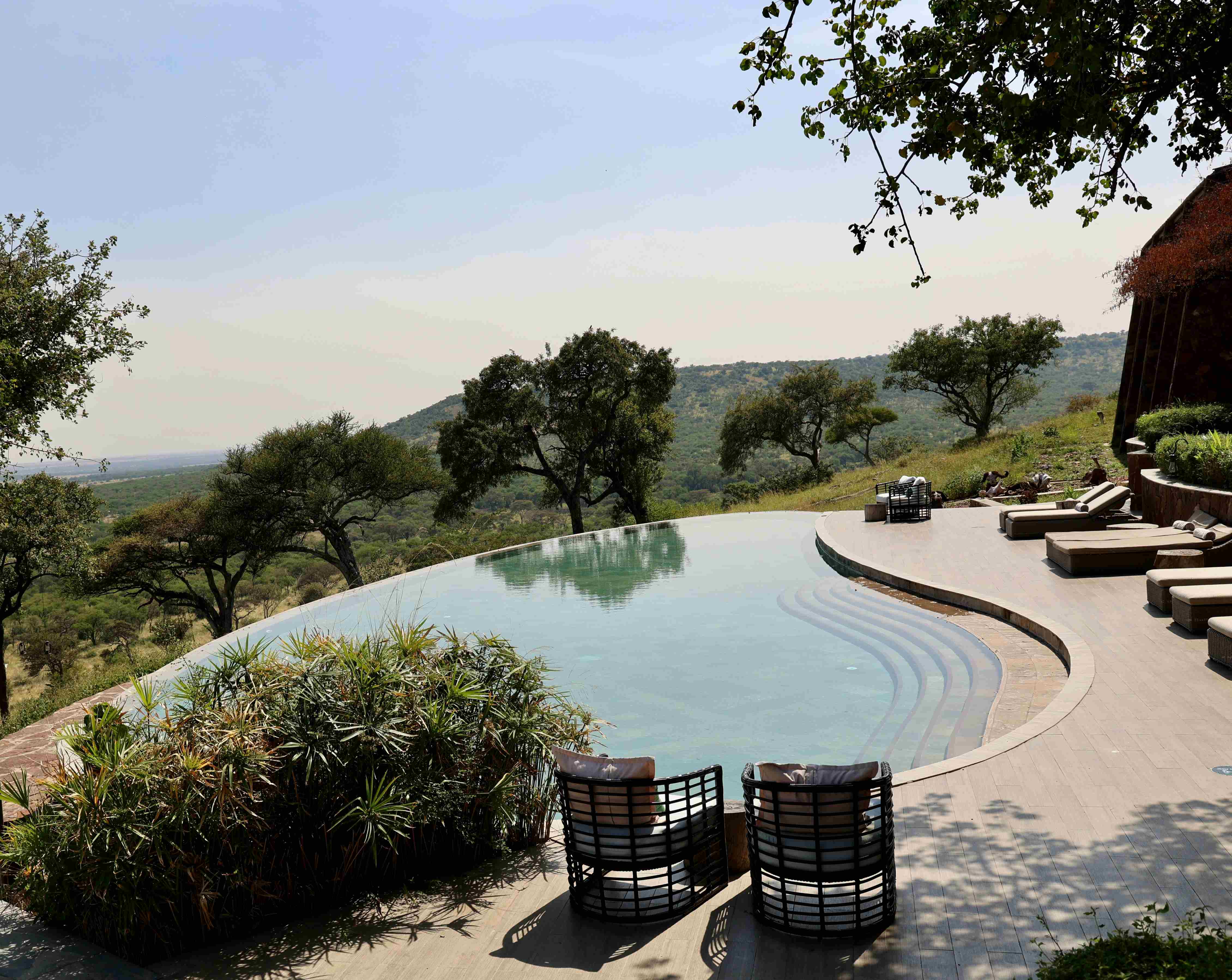
Solid structures featuring swimming pools, spas, and air conditioning. Best for maximum comfort and families.